
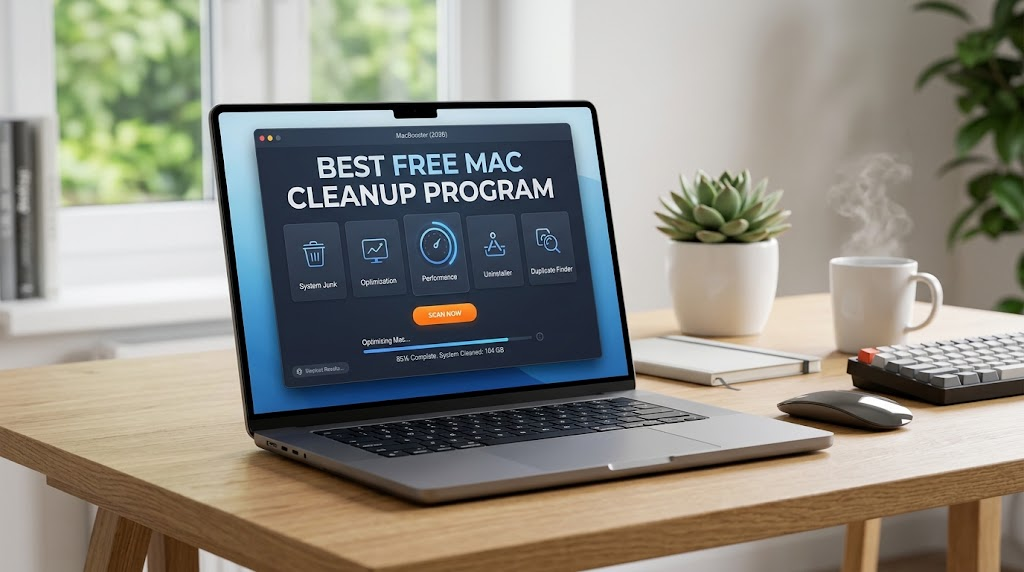
Every Best Free Mac Cleanup Program owner knows that slow-loading apps and the dreaded spinning beach ball can ruin your day. Over the years of managing digital workflows and testing various tech utilities, I have seen how quickly a hard drive fills up with hidden cache files, old downloads, and heavy system logs. When your Mac starts running out of space, you do not always need to spend money on expensive software. There are fantastic, trustworthy free tools available that can deeply clean your system and bring back that brand-new speed. In this complete guide, we will explore the best free Mac cleanup program options, how they work, and how you can safely optimize your computer today without spending a single dollar.
Why Your Mac Slows Down Over Time
Your Mac is a powerful machine, but it collects digital dust every single day. Whenever you browse the internet, stream videos, or install and remove applications, background files get left behind. These leftover files are called caches, logs, and temporary application data. When left unchecked, they pile up by the gigabytes. Your operating system has to work much harder to sort through this clutter just to perform basic daily tasks. Understanding this buildup is the first step toward keeping your computer fast and responsive. By clearing out these unneeded files regularly, you give your processor and memory room to breathe.
What to Look for in a Free Mac Cleaner
Choosing the right utility tool requires careful attention. Not all cleanup software is created equal, and some free programs can hide unwanted adware or nag you constantly to upgrade. When searching for a reliable cleanup tool, you want a program that respects your privacy, offers transparent scanning, and provides a clear breakdown of what it deletes. Look for applications with high user ratings, active developer support, and straightforward user interfaces. A great cleaner should let you review files before deletion so you never accidentally lose important personal documents or app settings.
Top Pick: CleanMyMac X (Free Trial & Features)
While many advanced features require a paid license, CleanMyMac X offers a robust free trial that lets you run a comprehensive system scan and clean up a generous amount of junk data safely. In my own experience testing productivity software, this program stands out because of its beautiful, user-friendly design and intelligent safety features. It scans your entire hard drive, looking for system junk, old mail attachments, and forgotten iTunes backups. The built-in Smart Scan feature analyzes your performance bottlenecks in seconds, making it a wonderful starting point for anyone looking to reclaim gigabytes of storage space instantly without complex technical steps.
Exploring OnyX: The Power User’s Free Favorite
If you want a truly 100% free utility without any hidden subscription walls, OnyX is an absolute legend in the macOS community. Created by Titanium Software, OnyX has been trusted by Apple enthusiasts and system administrators for decades. It is not just a simple cache cleaner; it is a comprehensive verification, maintenance, and configuration tool. While the interface looks a bit more technical than modern consumer apps, running its automated maintenance scripts can instantly repair disk permissions, rebuild search indexes, and clear deep-seated system logs that other programs miss entirely.
AppCleaner: Safely Uninstalling Heavy Apps
Deleting an application by simply dragging its icon to the Trash often leaves behind a trail of hidden preference files, support folders, and cached data scattered across your hard drive. AppCleaner is a tiny, completely free drag-and-drop utility that solves this problem permanently. Whenever you want to remove an app you no longer use, you simply open AppCleaner, drop the app into its window, and it automatically finds every single hidden file associated with it. This ensures a clean removal that prevents software bloat and keeps your application directory completely organized.
BleachBit: Open-Source Privacy and Cleanup
For users who prioritize open-source software and strict digital privacy, BleachBit is an exceptional choice. Originally popular in the Linux and Windows worlds, its macOS version helps scrub away hidden digital footprints, browser histories, and system logs. It gives you absolute transparency over what gets deleted, allowing you to check specific boxes for caches, temporary files, and application logs. Because it is completely open-source, you never have to worry about hidden tracking telemetry or aggressive upsells, making it a clean and honest tool for everyday optimization.
Free Up RAM and Manage Background Processes
Cleaning up hard drive storage is only half the battle; managing your active memory and background processes is just as important for speed. macOS features a built-in tool called Activity Monitor, which is completely free and already installed on your computer. By opening Activity Monitor, you can instantly see which apps are consuming too much CPU power or RAM. Closing out rogue background processes or helper utilities that launch automatically at startup can instantly stop your fans from spinning loudly and extend your battery life significantly.
Safe Practices Before Running Any Cleaner
Before you let any cleanup utility modify your system files, it is vital to practice safe habits. Always make sure your important files, family photos, and work documents are backed up using Time Machine or an encrypted cloud service. While reputable cleanup programs are designed to be safe, unexpected errors or power outages can occasionally happen. Taking five minutes to verify your backups guarantees complete peace of mind, allowing you to run deep system scans, empty your caches, and optimize your Mac with total confidence.
Step-by-Step Guide to a Manual Mac Clean
If you prefer not to install any third-party software at all, you can perform a thorough cleanup manually using built-in macOS tools. Start by clicking the Apple logo in the top left corner, selecting “About This Mac,” and opening Storage settings to see what is taking up the most room. You can enable recommendations to store files in iCloud, optimize storage by automatically removing watched movies, and empty your Trash bin. Next, navigate to your Library folders to clear out old cache directories manually. This hands-on approach gives you total control over every single megabyte on your drive.
Conclusion
Keeping your Mac running at peak performance is not a one-time chore; it is an ongoing habit. Try to schedule a quick digital cleanup at the end of every month. Empty your downloads folder, uninstall applications you haven’t used in over six months, and run your preferred cleanup utility to catch fresh cache buildup. By combining smart file management with reliable free cleanup tools, your computer will stay fast, responsive, and reliable for years to come, letting you focus entirely on your daily tasks without frustrating slowdowns.
Frequently Asked Questions
Are free Mac cleanup programs safe to use?
Yes, reputable programs like AppCleaner, OnyX, and trial versions of established tools are completely safe. Always download them directly from their official developer websites to avoid malicious installers.
Will cleaning my Mac delete my personal files?
Good cleanup programs target system caches, logs, temporary files, and leftover app data. They are specifically programmed to leave your personal documents, photos, and music untouched.
How often should I clean my Mac hard drive?
Running a quick system scan and clearing out junk files once every month or two is usually more than enough to maintain optimal performance and storage levels.
Can a clean-up app fix a physically broken Mac?
No. Software cleanup tools can only fix issues related to software bloat, cluttered storage, and excessive background processes. They cannot repair failing hardware components like a dying hard drive.
Is it better to use manual cleaning or automated apps?
Automated apps save a tremendous amount of time by searching thousands of hidden system folders instantly, whereas manual cleaning gives you granular, hands-on control over every single file.
Do Macs really need regular cleaning?
Unlike older operating systems, modern macOS manages itself quite well, but heavy daily use still results in gigabytes of cached data and temporary files that benefit greatly from periodic cleaning.