
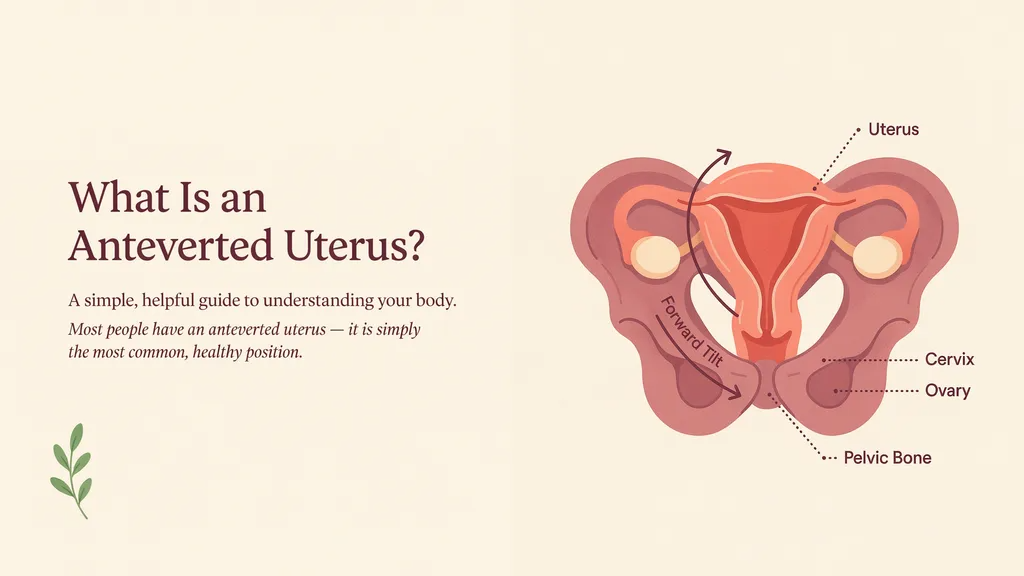
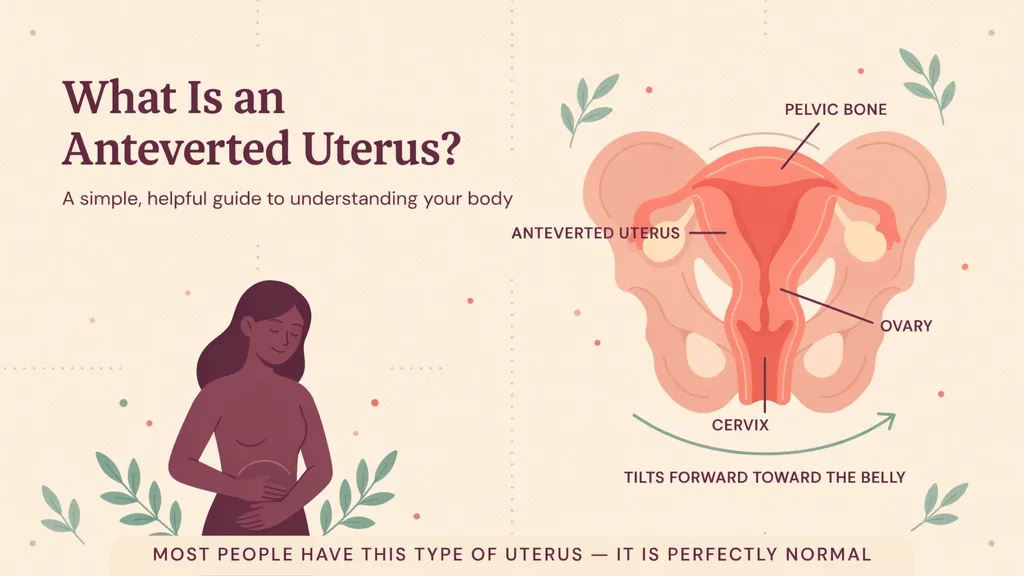
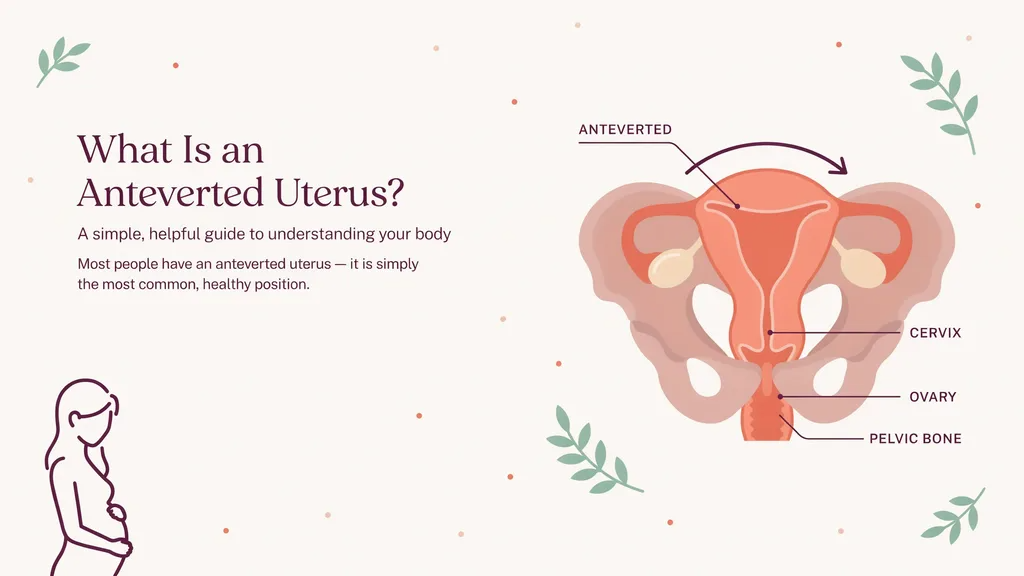
Have you ever heard your doctor mention the position of your uterus during a checkup? You might have heard the term Anteverted Uterus. It sounds like a big, complicated medical word, but it is actually quite simple. Your uterus is the pear-shaped organ where a baby grows. In most people, the uterus tilts forward toward the belly. This position is what doctors call an anteverted uterus. It is not a disease or a problem at all. In fact, most people have this type of uterus. It is just the way your body is built, much like having brown eyes or being tall. Learning about your own body helps you feel more confident during your doctor visits.
Is an Anteverted Uterus Normal?
Many people worry when they hear medical terms, but you can breathe easy. An anteverted uterus is completely normal. Think of it as the most common position for a uterus to be in. Some people have a uterus that tilts backward, which is called retroverted. That is also normal! Our bodies all have slight differences in how they are shaped on the inside. Because your uterus leans toward your bladder, it is just resting in a very common spot. There is no reason to feel concerned if your doctor tells you this. It does not change how your body works or how you feel every day.
How Does It Affect My Health?
You might wonder if having an anteverted uterus will change your health. The short answer is no. This position is just a normal variation in human anatomy. It does not cause pain or sickness. You can go about your day, exercise, and live your life exactly the same way as anyone else. Your body is designed to function perfectly well with this tilt. Many people live their whole lives without ever knowing their uterus is tilted forward. It is simply a part of who you are. It does not require any special treatment or extra trips to the doctor.
Does It Change My Monthly Cycle?
Some people ask if an anteverted uterus makes periods harder to handle. Scientific studies show no link between this position and painful periods. Your monthly cycle is controlled by hormones, not by how your uterus is tilted. If you have cramps or heavy flow, it is likely due to other common factors. Do not blame your uterus position for period discomfort. If you feel pain, it is always a good idea to talk to a doctor. They can help you find real solutions. Remember, your anteverted uterus is just sitting there quietly, doing its job as it should.
Impact on Pregnancy and Fertility
This is the most common question people have. Will an anteverted uterus make it hard to get pregnant? The answer is a happy “no.” This position does not affect your fertility or your chances of conceiving. Once you are pregnant, your uterus will grow and expand just like any other. As the baby grows, the uterus naturally lifts up and out of the pelvis. This happens for everyone, regardless of their starting position. You will have the same pregnancy journey as your friends. Your body is perfectly capable of carrying a baby safely and comfortably with this natural tilt.
Can It Cause Back Pain?
Sometimes people feel back pain and wonder if it is related to an anteverted uterus. Usually, back pain comes from posture, heavy lifting, or muscle strain. It is very rare for this uterine tilt to cause any back issues. If you have back pain, look at your daily habits first. Are you sitting for long hours? Do you lift heavy bags? These are much more common causes. Your anteverted uterus is tucked safely inside your pelvis. It is not putting pressure on your spine or your back muscles. Focus on good posture and exercise to keep your back feeling strong and healthy.
Will It Affect My Daily Activities?
You do not need to change your lifestyle because of an anteverted uterus. You can play sports, go for long runs, or practice yoga without any worries. There are no positions or exercises that you need to avoid. Your body is very resilient and strong. If you love running, keep running! If you enjoy swimming, go for it. Having this type of uterus does not limit what you can do. It is just another part of your unique body structure. Listen to your body, stay active, and enjoy your favorite hobbies just like you always have.
How Do Doctors Check This?
Doctors usually find out about an anteverted uterus during a routine pelvic exam or an ultrasound. They might use a small instrument to feel the position of your organs. They may also see it clearly on an imaging scan. This is a very standard part of a wellness check. You do not need to ask for special tests to find this out. If your doctor mentions it, they are just describing what they see. It is just like them noting the color of your hair or your height. It is a quick observation that doesn’t change your medical care plan.
Is Any Treatment Ever Needed?
Because an anteverted uterus is perfectly healthy, no treatment is ever needed. There is no surgery, medicine, or special diet to “fix” it. In fact, there is nothing to fix! Think of it like having a nose that is slightly pointed up or down. You wouldn’t need a medical treatment for that, right? The same logic applies here. Your body is functioning exactly as it was meant to. You can live your entire life without ever needing to think about this again. Trust your body—it knows exactly what it is doing, and it is doing a great job.
Talking to Your Doctor About It
If you still feel nervous, talk to your doctor. A good doctor will take the time to answer your questions. Ask them, “Does my anteverted uterus mean I need to do anything differently?” They will likely tell you exactly what you have read here: there is nothing to worry about. Having an open conversation will help you feel more at ease. You deserve to understand your health. Never be afraid to ask for clarity. Your doctor is there to help you feel confident and informed. Knowledge is the best way to stop any unnecessary worry.
Conclusion
To wrap things up, an anteverted uterus is a very normal anatomical feature. It is not a health condition, and it does not need treatment. It does not change your ability to have a family, it does not cause pain, and it does not affect your daily life. Your body is wonderful, complex, and perfect just the way it is. By understanding these simple facts, you can stop worrying and focus on enjoying your life. Your uterus is just a small, forward-tilting organ working hard for you. Celebrate your health and keep moving forward with confidence and a smile!
Detailed Comparison Table
| Feature | Anteverted Uterus | Retroverted Uterus |
| Tilt Direction | Tilts toward the belly | Tilts toward the back |
| Frequency | Very Common | Less Common |
| Health Risks | None | None |
| Fertility | No Impact | No Impact |
| Treatment | Not Required | Not Required |
| Pregnancy | Normal Development | Normal Development |
Frequently Asked Questions
1. Is an anteverted uterus a medical problem?
No, it is not a medical problem at all. It is just a normal variation in how the uterus sits in the pelvis.
2. Does it make it harder to get pregnant?
Absolutely not. It does not affect your ability to conceive or have a healthy pregnancy.
3. Will I have more pain during my period?
No evidence suggests that this position causes more pain. Cramps are usually related to hormonal factors.
4. Do I need surgery to change it?
There is no reason to change it. It is healthy, normal, and requires no medical treatment or surgery.
5. How do I know if I have one?
Your doctor will likely notice it during a routine pelvic exam or a simple ultrasound.
6. Can I exercise with an anteverted uterus?
Yes! You can exercise exactly the same way as everyone else. There are no restrictions on your activity levels.
What has your experience been with learning about your body’s health? Share your thoughts or questions in the comments below!