
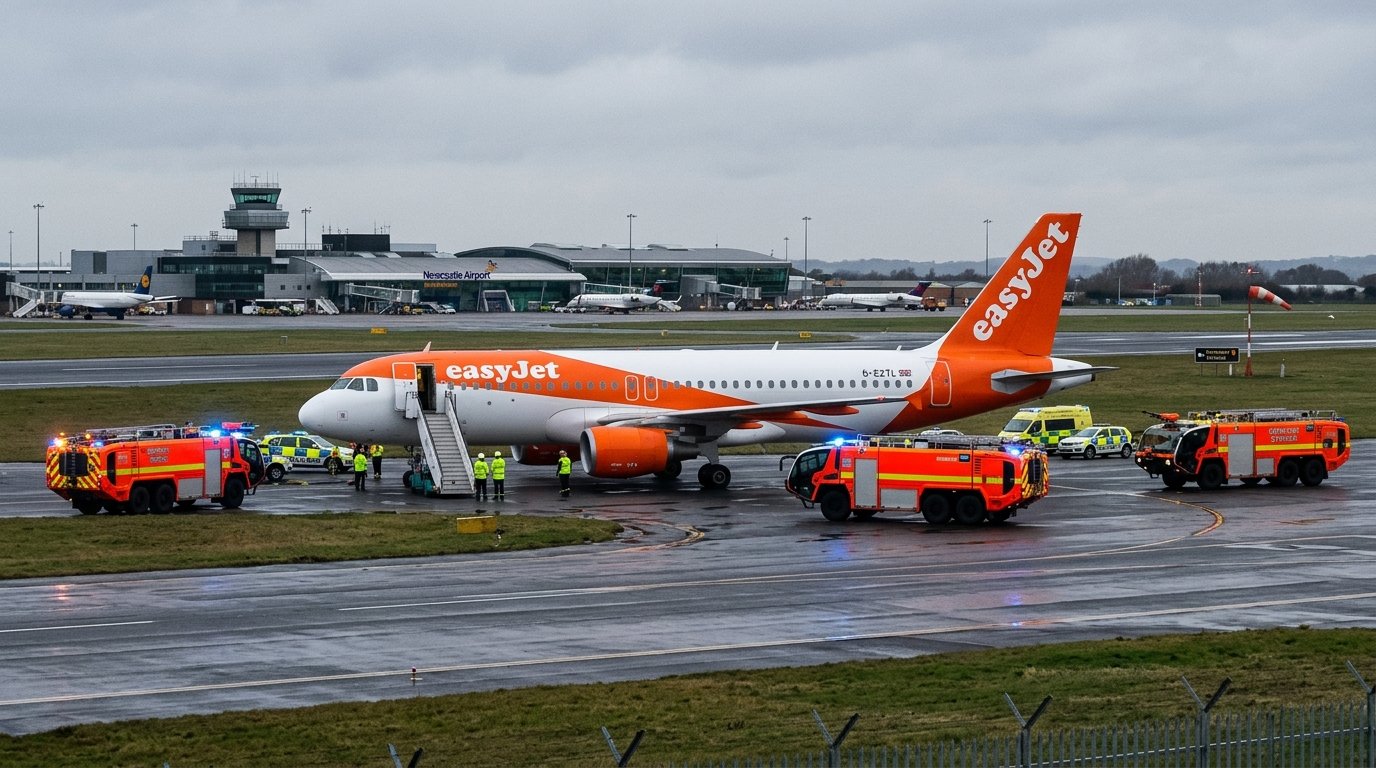
The story surrounding easyjet flight u2238 emergency landing newcastle quickly gained public attention after reports emerged about the aircraft making an unscheduled landing. Air travel incidents often create concern among passengers and aviation followers, especially when the term “emergency landing” is involved. Although modern aviation is considered one of the safest forms of transportation, unexpected situations can still occur and require immediate action from flight crews.
The incident connected to easyjet flight u2238 emergency landing newcastle sparked discussions across news platforms and social media because travelers naturally want to understand what happened, why the diversion occurred, and how airlines handle emergencies. Situations like these also highlight the importance of pilot training, aircraft safety systems, and emergency response procedures that are designed to protect passengers during unexpected events.
Understanding the EasyJet Flight U2238 Emergency Landing Newcastle Incident
The incident involving easyjet flight u2238 emergency landing newcastle reportedly occurred during a scheduled journey when the crew identified a situation that required precautionary action. In aviation, emergency landings are not always caused by catastrophic problems. In many cases, pilots choose to land early because safety procedures recommend immediate inspection or technical assessment.
Passengers on board often experience understandable anxiety during these moments, especially when emergency services are seen near the runway. However, aviation experts frequently explain that precautionary landings demonstrate how seriously airlines treat passenger safety. Modern aircraft are built with multiple backup systems, and pilots receive extensive training for emergency situations.
Another reason the story attracted attention is because aviation incidents naturally create public curiosity. Travelers want reassurance that airlines follow proper safety protocols, while aviation enthusiasts often analyze how crews respond under pressure. The event surrounding easyjet flight u2238 emergency landing newcastle became part of that wider conversation about flight safety and operational decision-making.
“In aviation, precaution is always better than risk.”
This quote reflects the mindset followed throughout the airline industry. Pilots are trained to prioritize safety even when the issue appears minor.
What Happens During an Emergency Landing
An emergency landing can sound dramatic, but the process is highly organized and carefully controlled. In the case of easyjet flight u2238 emergency landing newcastle, trained professionals would have followed strict aviation procedures from the moment the issue was identified.
The flight crew communicates directly with air traffic control to explain the situation and request landing priority if necessary. Emergency teams at the airport are also informed in advance so they can remain ready if assistance is needed after touchdown.
Passengers may notice changes in cabin announcements, unusual flight paths, or emergency vehicles near the runway. While these signs can increase tension, they are part of standard aviation safety operations. Airlines prepare for every possible scenario, even when the risk level is low.
Emergency Landing Process Overview
| Step | Purpose |
|---|---|
| Pilot Assessment | Identify the issue |
| Air Traffic Communication | Coordinate landing priority |
| Cabin Preparation | Inform and prepare passengers |
| Emergency Services Alert | Ensure support is available |
| Safe Landing | Bring aircraft down securely |
| Technical Inspection | Investigate the problem |
The professionalism shown during events like easyjet flight u2238 emergency landing newcastle often demonstrates how well aviation systems function under pressure.
Why Airlines Choose Precautionary Landings
One important detail many travelers misunderstand is that emergency landings are often precautionary rather than life-threatening. Airlines and pilots follow strict safety guidelines that encourage immediate action when irregularities appear.
In the case of easyjet flight u2238 emergency landing newcastle, the crew likely decided that landing at Newcastle was the safest and most practical solution. This does not automatically mean the aircraft was in severe danger. Sometimes even minor technical warnings can trigger precautionary procedures because aviation safety standards are extremely strict.
Weather conditions, onboard systems, passenger health emergencies, unusual smells, or instrument warnings can all contribute to diversion decisions. Aviation professionals prefer investigating a possible issue on the ground rather than continuing a flight with uncertainty.
Another reason airlines act quickly is passenger confidence. Travelers expect airlines to place safety above schedules, delays, or operational costs. Incidents like easyjet flight u2238 emergency landing newcastle remind people that the aviation industry prioritizes prevention over unnecessary risk.
“A safe landing is always the most important outcome in aviation.”
Passenger Reactions During the Incident
Passengers involved in emergency landings often describe mixed emotions, including anxiety, confusion, and relief. Reports related to easyjet flight u2238 emergency landing newcastle generated online discussions from travelers who shared concerns about what emergency situations feel like during a flight.
Cabin crews play a major role in managing passenger emotions during these events. Flight attendants receive extensive emergency training and are taught how to communicate calmly under stressful conditions. Their instructions help maintain order and reduce panic inside the cabin.
Many travelers also notice how quickly emergency teams respond after landing. Fire crews, medical teams, and airport safety personnel are typically positioned near the runway as a precaution. Although seeing emergency vehicles can feel alarming, their presence is standard practice during precautionary landings.
The emotional impact of aviation incidents often extends beyond the flight itself. Some passengers become more cautious about flying afterward, while others gain greater appreciation for airline safety systems and crew professionalism.
The Role of Pilots in Emergency Situations
Pilots are trained extensively to manage emergency scenarios safely and efficiently. Events connected to easyjet flight u2238 emergency landing newcastle highlight the importance of aviation training programs that prepare crews for unexpected situations.
Commercial airline pilots spend years learning emergency procedures through simulator exercises and real-world operational training. These simulations include engine problems, cabin pressure issues, onboard fires, navigation failures, and emergency landings.
One key responsibility of pilots during an incident is communication. Pilots must coordinate with air traffic controllers, cabin crews, and airline operations teams simultaneously while continuing to operate the aircraft safely.
Pilot Priorities During an Emergency
| Priority | Purpose |
|---|---|
| Maintain Aircraft Control | Ensure stable flight |
| Identify the Problem | Understand the issue |
| Communicate Clearly | Coordinate with control towers |
| Protect Passengers | Ensure cabin safety |
| Land Safely | Complete emergency procedures |
The calm handling of situations like easyjet flight u2238 emergency landing newcastle often reflects the effectiveness of airline training and aviation regulations.
Aviation Safety Standards and Emergency Protocols
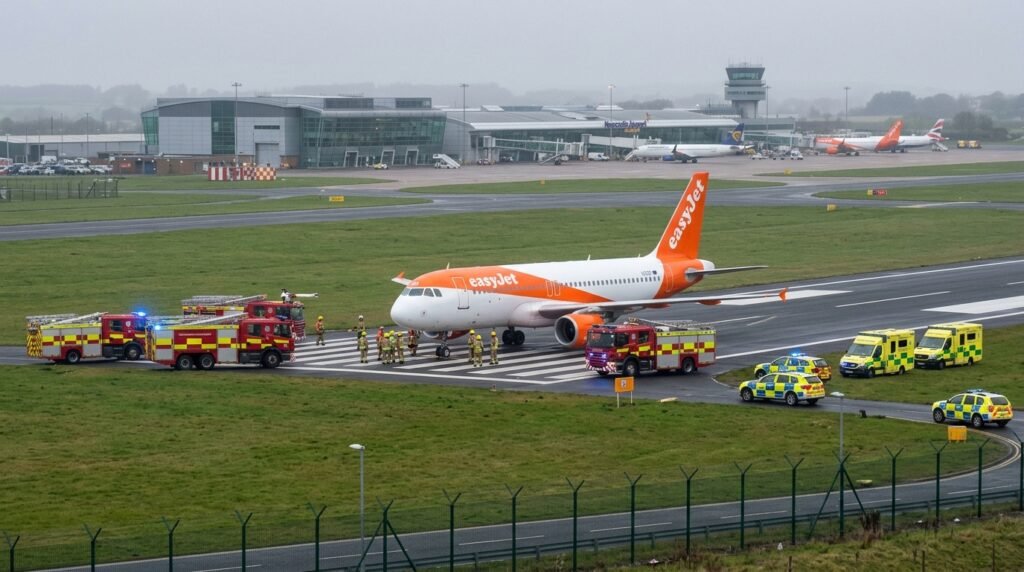
Modern aviation operates under some of the strictest safety regulations in the world. The response to easyjet flight u2238 emergency landing newcastle demonstrates how airlines follow structured procedures designed to minimize risk at every stage of a flight.
Aircraft undergo regular inspections and maintenance checks before being approved for operation. Pilots and cabin crews also complete recurring safety training to stay prepared for emergency situations.
Aviation authorities around the world require airlines to maintain detailed emergency response systems. Airports coordinate closely with airlines to ensure emergency vehicles, medical teams, and rescue services can respond immediately when necessary.
Another reason aviation remains extremely safe is continuous improvement. Every incident or precautionary landing provides valuable information that helps strengthen future procedures. Investigations and technical reviews allow airlines to identify potential improvements in equipment, training, or communication systems.
“The aviation industry learns from every incident to improve future safety.”
How Media Coverage Influences Public Perception
News coverage plays a major role in shaping how people view incidents such as easyjet flight u2238 emergency landing newcastle. Headlines using phrases like “emergency landing” can immediately create concern, even when the situation was handled safely and professionally.
Social media also increases public attention during aviation events. Passengers often share live updates, photos, and reactions while incidents unfold. This rapid flow of information can sometimes create confusion if details are incomplete or inaccurate.
At the same time, media coverage can help educate the public about aviation safety. Many reports explain how precautionary landings work and why emergency procedures exist. These explanations help travelers understand that emergency landings are often signs of responsible decision-making rather than signs of disaster.
The widespread discussion surrounding easyjet fligt u2238 emergency landing newcastle also reflects how closely people follow aviation news today. Air travel affects millions of passengers worldwide, making flight-related incidents highly visible topics.
Why Emergency Landings Are More Common Than People Think
Many travelers assume emergency landings are extremely rare, but precautionary diversions happen more often than most people realize. Commercial airlines operate thousands of flights every day, and occasional technical checks or medical emergencies are expected within such a large system.
The key point is that most emergency landings end safely because aviation systems are built around prevention and redundancy. Aircraft contain backup systems, pilots follow strict checklists, and airports remain prepared for unexpected situations.
In incidents like easyjet fliht u2238 emergency landing newcastle, the successful outcome often receives less attention than the dramatic wording used in headlines. However, the safe landing itself is evidence that aviation safety procedures function effectively.
Travelers can feel reassured knowing that airlines never take unnecessary risks. If crews suspect a problem, even a minor one, they are encouraged to land and inspect the aircraft rather than continue the journey.
Conclusion
The public attention surrounding easyjet flight u2238 emergency landing newcastle highlights how strongly people react to aviation incidents. While emergency landings naturally sound alarming, they are often examples of safety systems working exactly as intended. Pilots, cabin crews, air traffic controllers, and emergency responders are all trained to manage these situations with professionalism and precision.
The incident also demonstrates the aviation industry’s commitment to caution and prevention. Modern airlines prioritize passenger safety above all else, which is why precautionary landings remain an essential part of airline operations.
For travelers, the story behind easyjet flight u2238 emergency landing newcastle serves as a reminder that aviation safety procedures exist to protect passengers in every possible scenario. Although unexpected incidents may occur, the systems supporting modern air travel remain highly advanced and carefully regulated.
FAQ About EasyJet Flight U2238 Emergency Landing Newcastle
What caused the easyjet flight u2238 emergency landing newcastle incident?
The exact reason behind easyjet fligt u2238 emergency landing newcastle may involve technical concerns or precautionary safety measures. Airlines typically choose emergency landings when crews identify anything requiring immediate inspection.
Were passengers safe during easyjet flight u2238 emergency landing newcastle?
Yes, passengers were reported safe after the easyjet fliht u2238 emergency landing newcastle incident. Emergency landings are carefully managed to prioritize passenger safety at every stage.
Why do airlines perform emergency landings even for small problems?
Airlines follow strict safety regulations, so even minor concerns can lead to precautionary landings. The response during easyjet fliht u2238 emergency landing newcastle reflects the aviation industry’s focus on prevention.
Are emergency landings dangerous?
Most emergency landings are completed safely because pilots and airports train extensively for these situations. Events like easjet flight u2238 emergency landing newcastle are often precautionary rather than catastrophic.
How are passengers informed during emergency landings?
Cabin crews and pilots usually provide updates and instructions throughout the process. During incidents such as easyjet fliht u2238 emergency landing newcastle, communication helps reduce confusion and maintain calm.
What happens to the aircraft after an emergency landing?
After incidents like easyjet fliht u2238 emergency landing newcastle, the aircraft undergoes detailed technical inspections to identify and resolve any potential issues before returning to service.