
If you have ever visited a doctor for certain skin issues, you might have heard of Imiquimod Cream. It is a special type of medicine that helps your body fight off skin problems. Instead of just fixing the surface, it helps your immune system work better. This makes it different from many other creams you find at the store. Many people use it to treat growths or spots on their skin that just won’t go away. Since it affects how your body reacts, it is important to learn how to use it the right way. This guide will help you understand everything you need to know about this helpful medical treatment.
What Is Imiquimod Cream Used For?
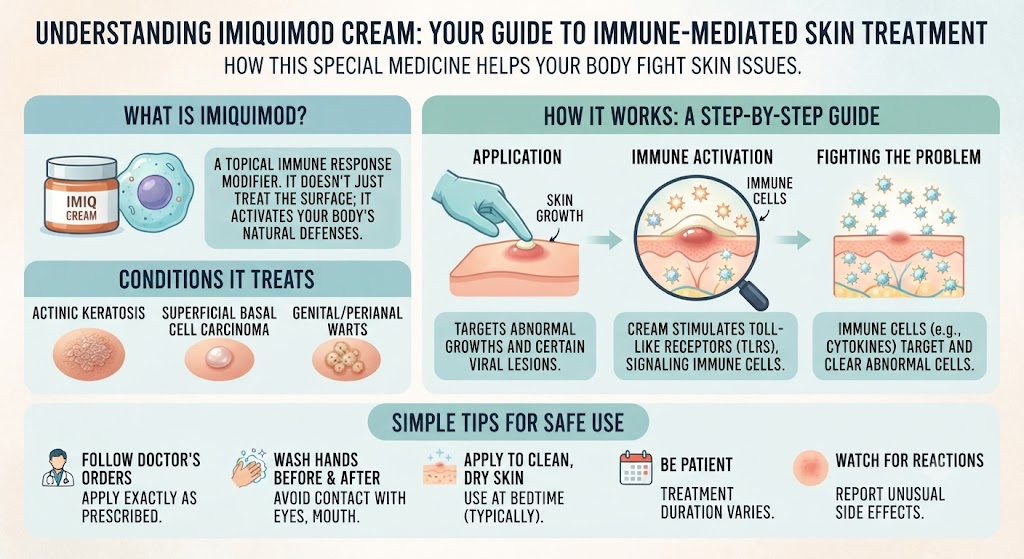
Doctors prescribe imiquimod cream for a few specific reasons. It is most famous for treating actinic keratosis, which are rough, scaly patches on your skin. These patches usually come from spending too much time in the sun over many years. It is also used to treat certain types of skin cancer, like superficial basal cell carcinoma. Additionally, it helps with external genital warts. By stimulating your immune system, the cream tells your body to attack the problem areas directly. It is a powerful tool in dermatology. Because it is so strong, you should only use it when a doctor gives you a prescription.
How Does the Cream Work on Your Skin?
When you apply imiquimod cream, it does not just sit on top of your skin. It acts like a coach for your immune system. It sends a signal to your body to produce more cells that fight off bad invaders. This process creates a healthy inflammatory response. This is why your skin might get red or irritated during treatment. That redness is actually a sign that the cream is doing its job! The medication helps your body recognize and remove the abnormal cells. This unique way of working is why it is so effective for various skin conditions that are hard to treat otherwise.
Proper Application Techniques
Using imiquimod cream requires a very steady and careful hand. First, always wash and dry your hands and the skin area thoroughly. You should apply a thin layer to the affected area and rub it in until it disappears. Do not use a thick glob, as that can cause too much irritation. Most doctors suggest applying it at night before you go to bed. This allows the medication to stay on your skin for several hours while you sleep. Always wash your hands immediately after applying it. Never cover the treated area with bandages unless your doctor tells you that it is safe to do so.
What to Expect During Treatment
You should be prepared for some changes in your skin while using imiquimod cream. It is very normal for the skin to become red, itchy, or even develop crusts. Some people notice the skin feels a bit sore or burns slightly. These symptoms usually mean the medication is working deep inside your skin cells. If the irritation becomes too painful or severe, you should stop using it for a day or two. Always let your doctor know about how your skin is reacting. They might tell you to use the cream less often to make it more comfortable for your specific skin type.
Tips for Managing Skin Irritation
Dealing with the side effects of imiquimod cream can be a little annoying, but it is manageable. If your skin feels very dry or tight, try using a gentle, fragrance-free moisturizer during the day. This helps keep your skin barrier healthy. Wear loose-fitting clothes over the treated area to stop fabric from rubbing against it. Try to stay out of direct sunlight while using the medication, as your skin will be extra sensitive. If you have to go outside, wear protective clothing or a wide-brimmed hat. Simple habits like these can make your treatment journey much smoother and far less uncomfortable.
Duration and Frequency of Use
Every person needs a different amount of imiquimod cream based on their condition. Some treatments last for a few weeks, while others might take a few months. For actinic keratosis, doctors usually have you use it on a specific schedule, like two or three times a week. For other issues, you might need it more often. Never try to speed up the process by using more cream than you were told. Using extra cream will not make it work faster, but it will definitely cause more pain and skin irritation. Follow your doctor’s schedule exactly to get the best results safely.
When to Contact Your Doctor
You know your body best, so trust your gut if something feels wrong. While some redness is normal, you should call your doctor if you see signs of a severe infection. This includes thick pus, intense swelling, or a fever. Also, if the pain becomes so bad that you cannot sleep or work, reach out for advice. Your doctor might suggest taking a break or changing how often you apply the imiquimod cream. Do not feel like you have to tough it out. A quick call to your clinic can save you a lot of unnecessary stress and keep your skin safe.
Storing Your Medicine Safely
Storing imiquimod cream the right way ensures it stays effective until you finish your treatment. Keep the packets in a cool, dry place away from direct sunlight or heat. The bathroom is often too humid, so a bedroom drawer is usually a much better spot. Make sure the packets are kept far away from children and pets. Each packet is meant for one use, so do not try to save half a packet for later. Bacteria can get into open packets easily. When you are finished with a dose, throw the empty packet in the trash right away to keep things clean.
Who Should Avoid This Cream?
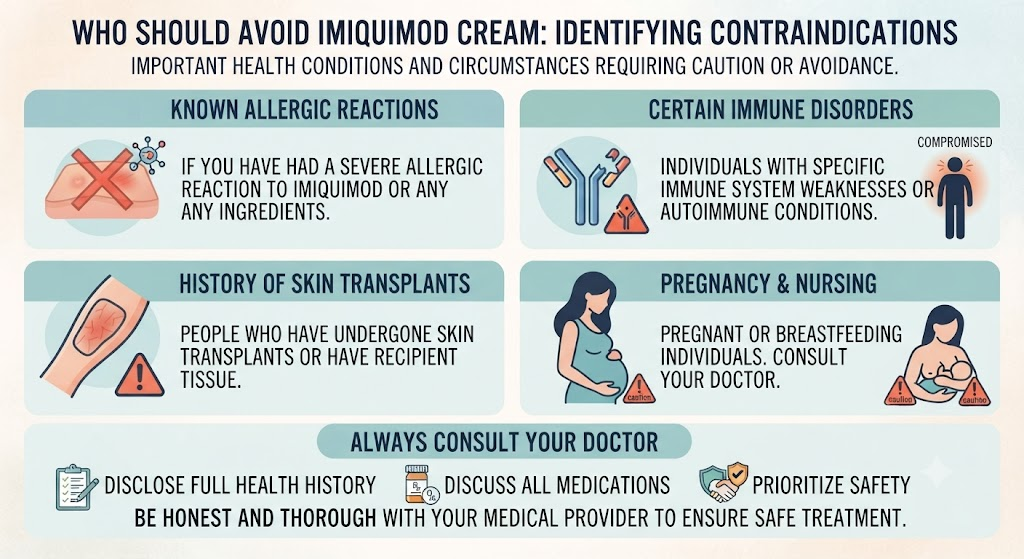
Not everyone is a good candidate for imiquimod cream. If you have ever had a bad allergic reaction to this medicine or any of its ingredients, you should tell your doctor. People with certain immune system disorders or those who have had skin transplants might need to avoid it. It is also very important to tell your doctor if you are pregnant or planning to become pregnant. Safety always comes first when dealing with prescription medications. Always be honest about your health history so your doctor can choose the absolute best path for your specific medical needs.
Conclusion
Starting a treatment with imiquimod cream is a big step toward clearer, healthier skin. While the process can be a little bumpy due to skin irritation, the results are often worth it. By following your doctor’s instructions, staying patient, and keeping your skin protected, you are giving yourself the best chance for success. Remember that your immune system is doing a lot of hard work behind the scenes. Be kind to yourself during the healing process. If you have questions or concerns, never hesitate to ask your healthcare provider. You have the power to take control of your skin health today.
Comparison Table: Managing Your Skin Treatment
| Feature | Best Practice | Why It Matters |
| Application Time | Bedtime | Keeps medicine on skin longer for better effect. |
| Layer Thickness | Very thin | Prevents excessive irritation and soreness. |
| Sun Protection | Hats/Clothing | Sensitive skin burns very easily during treatment. |
| Hand Hygiene | Wash after use | Prevents spreading cream to eyes or mouth. |
| Frequency | Follow doctor’s orders | Prevents over-treating and skin damage. |
Frequently Asked Questions
1. Can I use imiquimod cream on my face?
Yes, but only if your doctor prescribes it specifically for a condition on your face. Be extra careful to avoid your eyes, lips, and nostrils.
2. How long does it take to see results?
It varies by person. Most people start seeing changes after a few weeks, but full healing can take a couple of months.
3. What if I miss a dose of the cream?
Don’t worry too much. Just apply your next dose at the regular time. Do not apply extra to make up for the missed one.
4. Is it normal to have open sores?
Some minor breaking of the skin can happen as the treatment removes abnormal cells. If it looks like an infection, talk to your doctor.
5. Can I use makeup while using imiquimod cream?
It is usually best to avoid makeup on the treated area until it has fully healed. Ask your doctor for their specific recommendation.
6. Will my skin return to normal after treatment?
Yes, once the treatment is finished, the redness and irritation will fade away, usually leaving you with much healthier, clearer skin.