
Meta Description: Discover everything about riverbank collapse Iford Playing Fields, including causes, environmental impact, safety risks, restoration plans, and local concerns.
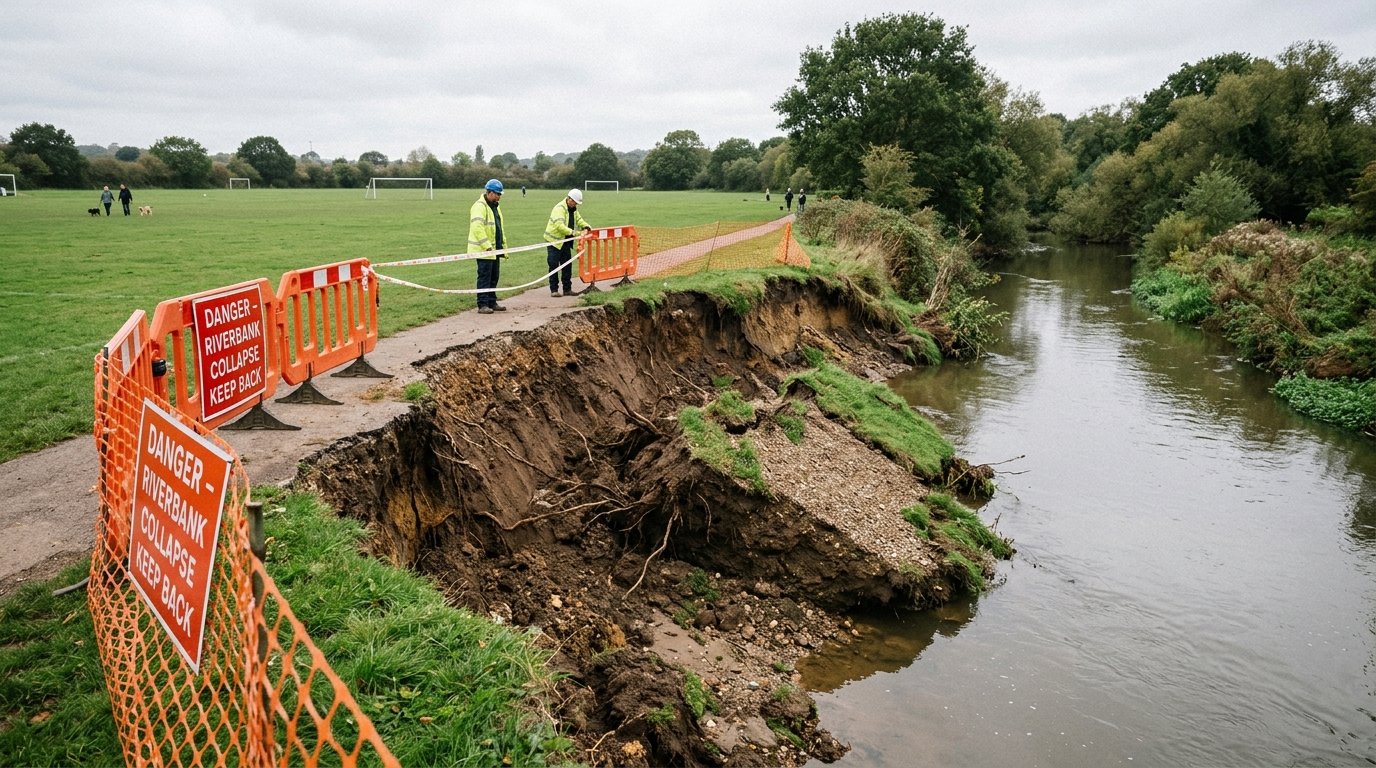
The issue of riverbank collapse Iford Playing Fields has become a major topic of discussion among residents, environmental experts, and local authorities. Located near a popular recreational area, the collapse has raised serious concerns about public safety, land erosion, environmental stability, and the long-term future of the surrounding landscape. Local communities who regularly use the playing fields for sports, walking, and family activities are now closely following developments related to the damaged riverbank.
Riverbank collapses can happen gradually over time or suddenly after severe weather conditions, flooding, or soil instability. In the case of riverbank collapse Iford Playing Fields, many people are concerned about how the erosion could affect nearby footpaths, wildlife habitats, drainage systems, and recreational facilities. Understanding the causes behind the collapse and the possible solutions is essential for residents and visitors who rely on the area as an important green space.
Understanding the Riverbank Collapse at Iford Playing Fields
The riverbank collapse Iford Playing Fields refers to a section of land near the river edge that has weakened and fallen away due to erosion and structural instability. Riverbanks naturally shift over time, but human activity, changing weather patterns, and increased water pressure can accelerate the process significantly.
Local environmental specialists believe that prolonged rainfall and water saturation may have weakened the soil beneath the surface. Once the ground becomes unstable, large sections of land can suddenly break away into the river, creating dangerous conditions for people nearby. The collapse at Iford Playing Fields highlights how vulnerable riverside areas can become when erosion is left unmanaged.
“Riverbank erosion is a natural process, but extreme weather and poor soil stability can make collapses more severe and unpredictable.”
The area surrounding the playing fields has long been valued as a community space. Families, athletes, dog walkers, and local schools frequently use the fields for recreation and outdoor activities. Because of this, the riverbank collapse has become more than just an environmental issue — it is now a community safety concern as well.
Experts continue monitoring the affected area to determine whether additional sections of the riverbank could become unstable in the future. Ongoing assessments are helping authorities understand the full scale of the damage and identify potential repair solutions.
Main Causes Behind the Riverbank Collapse
Several factors may have contributed to the riverbank collapse Iford Playing Fields, with erosion being one of the primary causes. Flowing water constantly wears away soil and sediment along river edges. Over time, this weakens the structure supporting the land above the waterline.
Heavy rainfall is another major factor linked to riverbank instability. When soil absorbs excessive moisture, it becomes softer and heavier. Saturated ground is more likely to shift or collapse, especially near rivers where water pressure continuously affects the bank.
Tree root damage and vegetation loss can also contribute to erosion problems. Plants and tree roots normally help hold soil together, reducing the risk of land movement. If vegetation becomes damaged or removed, the riverbank may lose natural protection against erosion.
Human activity may further increase instability. Foot traffic, nearby construction work, drainage changes, and heavy machinery can sometimes weaken already vulnerable ground conditions. In many cases, riverbank collapses result from a combination of environmental and human-related factors rather than a single cause.
Safety Concerns Around Iford Playing Fields
Public safety has become one of the biggest concerns surrounding the riverbank collapse Iford Playing Fields situation. Collapsed or unstable riverbanks create serious hazards for pedestrians, cyclists, children, and sports groups using nearby areas. Sudden land movement can occur without warning, making damaged sections particularly dangerous.
Authorities often place warning signs and temporary barriers near unstable ground to prevent accidents. However, curious visitors sometimes ignore restrictions, especially in public recreational spaces where people are accustomed to open access.
The collapse may also affect nearby pathways and sports areas. If erosion continues spreading, larger sections of land could become unsafe for public use. This creates challenges for local councils responsible for maintaining public spaces while protecting visitors from injury risks.
Below is a table showing common risks associated with riverbank collapse areas:
| Risk Factor | Possible Impact |
|---|---|
| Soil Instability | Sudden ground collapse |
| Flooding | Increased erosion damage |
| Damaged Pathways | Safety hazards for pedestrians |
| Water Pollution | Harm to wildlife habitats |
| Restricted Access | Limited community use |
Emergency inspections are often necessary after riverbank failures to evaluate whether surrounding structures remain secure. Monitoring helps reduce risks while long-term repair plans are developed.
Environmental Impact of Riverbank Erosion
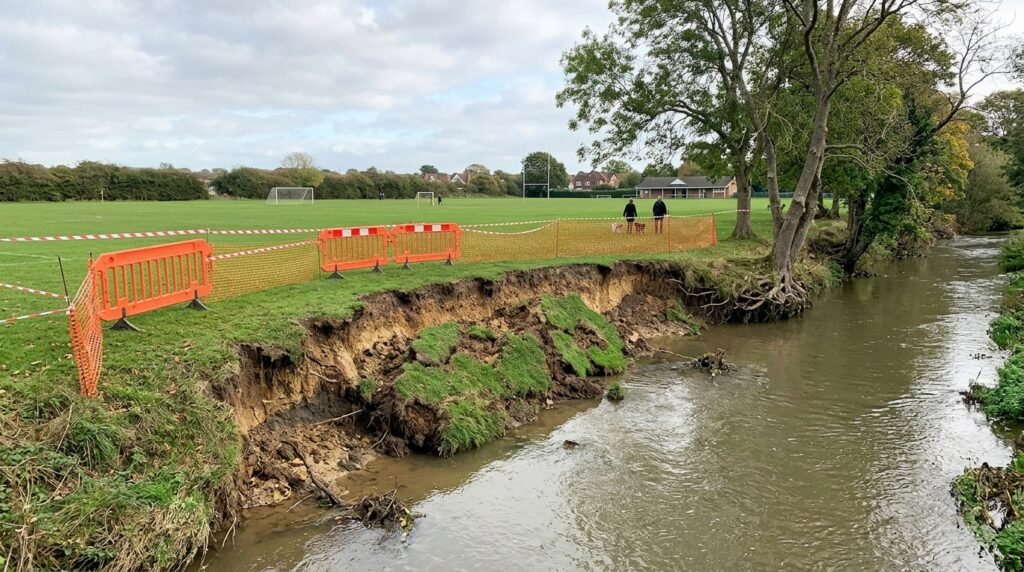
The environmental consequences of the riverbank collapse Iford Playing Fields extend beyond visible land damage. Riverbank erosion can affect water quality, fish habitats, local ecosystems, and surrounding vegetation. Soil entering the river may increase sediment levels, disrupting aquatic life and natural water flow patterns.
Wildlife habitats near rivers are especially sensitive to sudden environmental changes. Birds, insects, amphibians, and small mammals often depend on stable riverside environments for shelter and breeding. When erosion destroys these areas, local biodiversity may decline.
Water pollution can also become a concern. Excess sediment entering rivers may reduce oxygen levels and interfere with natural aquatic ecosystems. In some cases, damaged drainage systems or nearby pollutants may enter the water more easily following a collapse.
Environmental experts often recommend restoring vegetation along riverbanks as part of long-term erosion prevention strategies. Native plants and root systems help stabilize soil naturally while supporting healthier ecosystems.
“Healthy riverbanks protect both communities and the ecosystems that depend on them.”
Climate change may further increase future erosion risks. More intense rainfall and flooding events can place additional pressure on vulnerable riverbanks across many regions.
Community Reaction to the Collapse
Residents living near the riverbank collapse Iford Playing Fields have expressed a mixture of concern, frustration, and determination. Many community members worry about public safety and the possibility of additional collapses affecting larger portions of the playing fields.
Parents whose children use the fields for sports and recreation are especially concerned about restricted access and potential hazards. Community sports groups may also experience disruptions if sections of the area remain closed during repairs and inspections.
At the same time, many residents support efforts to restore and protect the riverbank. Local environmental groups and volunteers often play important roles in raising awareness about erosion prevention and conservation.
Social media discussions have also increased public attention on the issue. Photos of the damaged riverbank have circulated online, prompting broader conversations about flood prevention, infrastructure maintenance, and environmental protection.
Local councils frequently face pressure from residents to respond quickly with repair plans and transparent communication regarding safety measures and future restoration work.
Possible Repair and Restoration Solutions
Repairing the riverbank collapse Iford Playing Fields will likely require a combination of engineering solutions and environmental restoration methods. Experts may use reinforced retaining structures, stone barriers, drainage improvements, and vegetation planting to stabilize the affected area.
One common approach involves strengthening the riverbank using natural materials such as rocks, logs, and planted vegetation. These methods help reduce erosion while preserving a more natural appearance compared to heavy concrete structures.
Drainage management is another important factor. Excess water accumulation weakens soil stability, so improving drainage systems can help reduce future collapse risks. Engineers may also reshape sections of the riverbank to better distribute water pressure during heavy rainfall.
Long-term monitoring is essential after repairs are completed. Environmental conditions can continue changing over time, meaning restored riverbanks still require inspections and maintenance to ensure continued stability.
The Importance of Protecting Public Green Spaces
The riverbank collapse Iford Playing Fields situation highlights the importance of protecting public green spaces from environmental damage. Recreational areas provide physical, mental, and social benefits for local communities. Parks and playing fields also support biodiversity and improve urban environmental quality.
When public green spaces become damaged or inaccessible, communities lose valuable outdoor resources. Sports programs, family activities, and community events may all suffer due to environmental disruptions.
Investing in environmental maintenance and flood prevention helps preserve these spaces for future generations. Proactive erosion control measures can reduce long-term repair costs while protecting community safety.
Urban planning experts increasingly emphasize the need for sustainable infrastructure that works alongside natural ecosystems rather than against them. Riverbank protection is becoming an important part of modern environmental management strategies.
Long-Term Outlook for Iford Playing Fields
The future of the riverbank collapse Iford Playing Fields area will depend on how effectively restoration and prevention measures are implemented. While repairs may take time, proper environmental planning can help reduce the risk of future collapses.
Community involvement may also influence long-term outcomes. Public awareness campaigns, environmental volunteer programs, and local conservation initiatives can help support ongoing maintenance and monitoring efforts.
Improved flood management systems and climate adaptation planning may become increasingly important as weather patterns continue changing. Authorities responsible for maintaining riverside areas will likely face growing pressure to invest in stronger environmental protection strategies.
Although the collapse has created understandable concern, it may also encourage greater attention toward sustainable land management and community environmental resilience.
Conclusion
The riverbank collapse Iford Playing Fields has become a significant environmental and public safety issue affecting both the local community and the surrounding ecosystem. Erosion, heavy rainfall, soil instability, and changing environmental conditions have all likely contributed to the damage seen along the riverbank.
While the collapse has disrupted access and raised understandable concerns, it has also highlighted the importance of proactive environmental protection and sustainable land management. Through careful restoration efforts, ongoing monitoring, and community involvement, authorities may be able to stabilize the area and preserve Iford Playing Fields for future generations to enjoy safely.
FAQ
What caused the riverbank collapse Iford Playing Fields?
The riverbank collapse Iford Playing Fields was likely caused by a combination of erosion, heavy rainfall, soil instability, water pressure, and environmental wear over time.
Is the area around Iford Playing Fields safe to visit?
Some areas near the collapsed riverbank may be restricted due to safety concerns. Visitors should follow warning signs and avoid unstable sections near the river edge.
How does riverbank erosion affect the environment?
Riverbank erosion can damage wildlife habitats, increase sediment in rivers, affect water quality, and weaken surrounding vegetation and ecosystems.
Will the riverbank collapse Iford Playing Fields be repaired?
Local authorities and environmental experts are expected to assess restoration options, including stabilization work, drainage improvements, and vegetation planting to repair the damaged area.
Can climate change increase riverbank collapse risks?
Yes, climate change may increase heavy rainfall, flooding, and extreme weather events, which can contribute to faster erosion and greater riverbank instability.
Why are Iford Playing Fields important to the community?
Iford Playing Fields provide recreational space for sports, walking, family activities, and community events while also supporting local green space and environmental health.